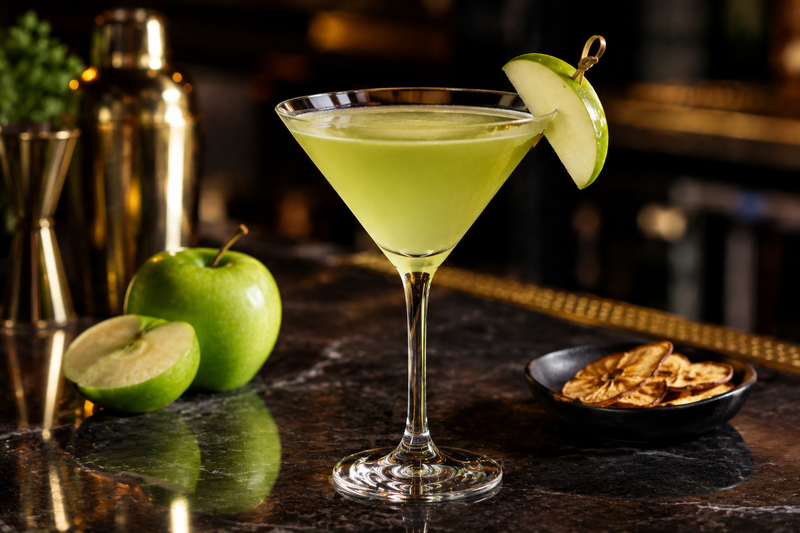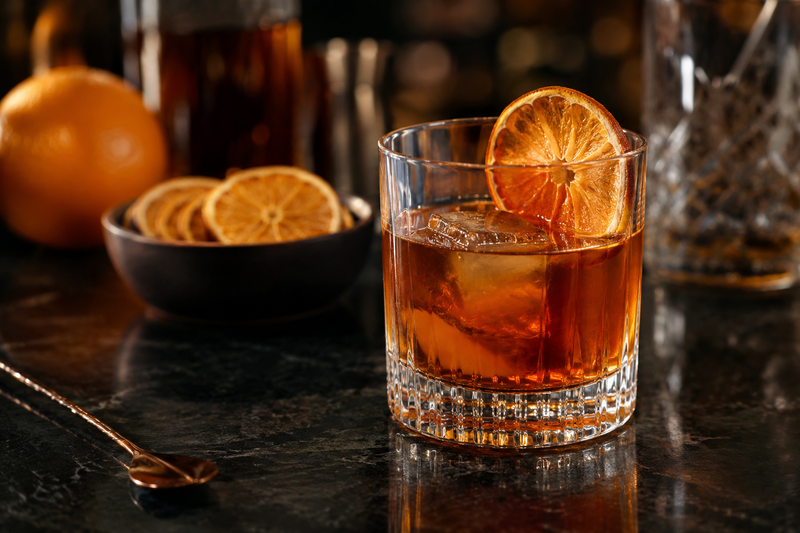
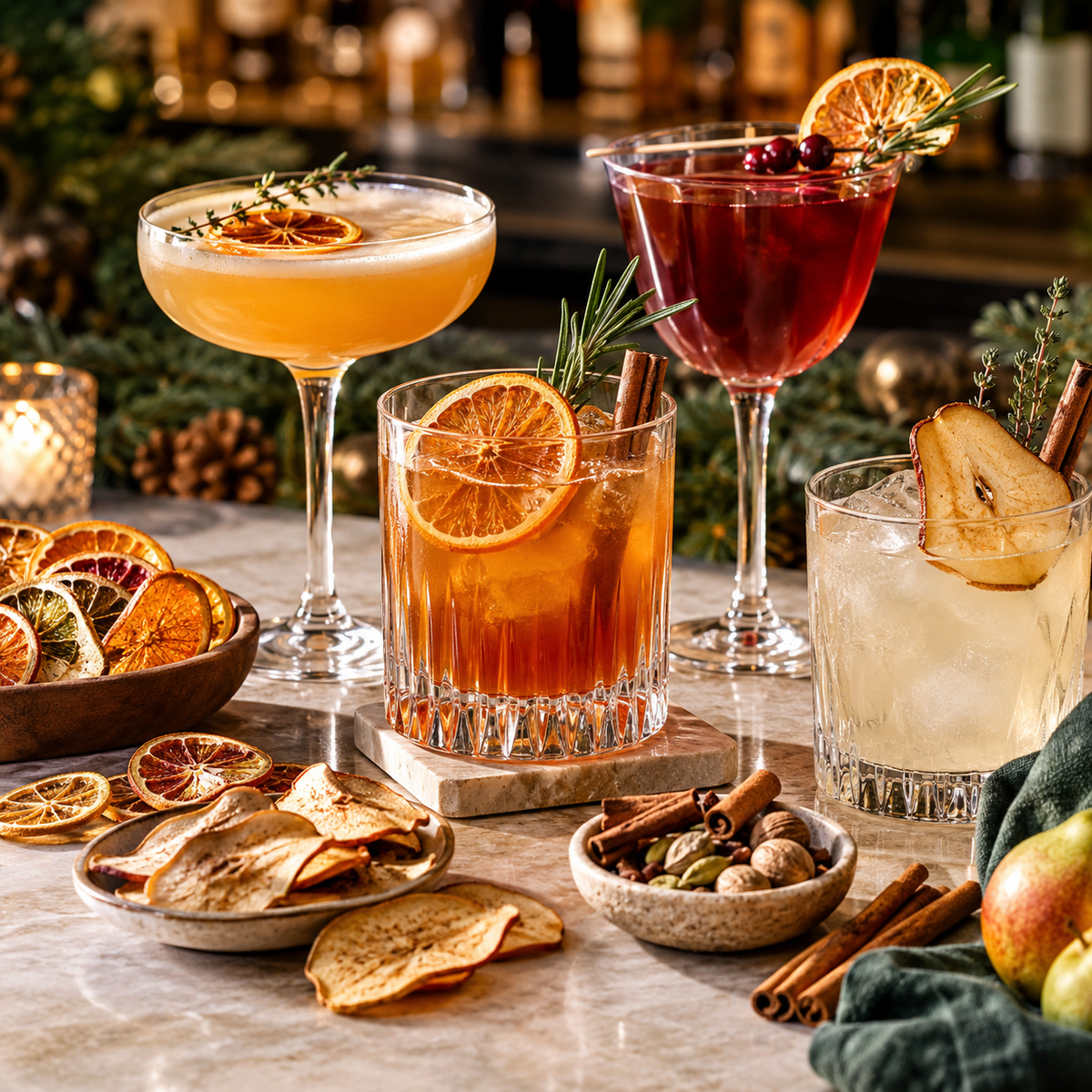
Fall and holiday drink menus introduce new flavors, colors, and presentation styles to a cocktail program. For bars, hotels, restaurants, and event companies, this also means planning a garnish inventory that can support higher seasonal demand without leaving large amounts of unused product behind.
The right way to do it is to create a seasonal garnish list based on the drinks you are serving, how much you need, and how long the menu will be running.
What Makes a Good Fall or Holiday Cocktail Garnish?
Seasonal garnishes should do more than make a drink look festive. They should fit the flavor profile, work with the glassware, and be practical for the staff to use during service.
Common choices include
-
Orange and other citrus slices
-
Apple and pear
-
Spiced fruit
-
Cinnamon and other warm spice combinations
-
Garnishes suited to hot cocktails, punches, and sparkling drinks
Pairings of fruit and warm spices can work especially well with bourbon, whiskey, gin, cider, tea, and sparkling beverages for a fall menu. Holiday programs can also use the same garnishes in mocktails, punches, and non-alcoholic drinks.
A good garnish is typically one that can be used for a variety of menu items rather than one that is designed for a single drink.
Build the Garnish List Around the Menu
Before placing a wholesale order, start with the seasonal cocktail menu.
Write down each drink and the garnish it requires. Then separate the list into three groups:
Core garnishes: Used across several cocktails.
Specialty garnishes: Used for specific drinks.
Seasonal garnishes: Used only during the fall or holiday period.
This helps prevent a common ordering problem: buying the same quantity of every garnish even though demand is very different from one product to another.
For example, a garnish used on five drinks throughout the season should generally receive more inventory attention than one used on a single signature cocktail.
Choose Garnishes That Work Across Multiple Drinks
“The same products can be used for different applications, making it easier to manage a seasonal garnish order.”
A dehydrated orange slice will work in whiskey cocktails, spritzes, punches, and other drinks. Pear can work well with bourbon and gin cocktails, sparkling wine, hot drinks and seasonal menus.
This kind of flexibility is even more important for hotels and event companies where the beverage menu may vary depending on the function .
Instead of asking, “Which garnish looks most seasonal?”, ask:
“How many drinks on our menu can use this garnish?”
That question leads to a much more practical order.
Fall Garnishes for Cocktail Programs
Fall menus often move toward deeper spirits, fruit flavors, warm spices, and drinks served hot or over ice.
Good categories to consider include:
Apple
Apple can work with bourbon, whiskey, cider-based drinks, sparkling beverages, and non-alcoholic seasonal drinks.
Pear
Pear is useful for programs that want a softer fruit profile and can work with bourbon, gin, wine, and seasonal mocktails.
Spiced Fruit
Spiced fruit can fit particularly well into fall and holiday menus where cinnamon, cardamom, or nutmeg are already part of the drink's flavor profile.
For example, wholesale spiced pear slices can fit naturally into a seasonal garnish program built around bourbon cocktails, gin drinks, sparkling wine, hot beverages, and fall or holiday menus. The product is supplied in individually sealed portions within the bulk package, which can also make seasonal inventory easier to manage.
Holiday Cocktail Garnishes
Holiday beverage programs often need to cover more than cocktails.
The same garnish inventory may be used for:
-
Holiday punches
-
Hot toddies
-
Mulled beverages
-
Mocktails
-
Sparkling drinks
-
Specialty coffee or tea
-
Guest welcome drinks
-
Private events
That’s why versatile garnishes come in handy, especially at this time of year.
A bar might use a garnish for its regular December cocktail list, and a hotel might use the same product for a holiday reception, brunch or guest welcome station.
Multiple use planning can help increase product turnover and decrease the amount of seasonal inventory left after the holidays.
How Much Seasonal Garnish Should You Order?
Seasonal ordering should be based on expected usage rather than the length of the product catalog.
Start with:
Expected drinks served × percentage of drinks using the garnish = estimated garnish usage
Then consider:
-
Number of service days
-
Expected holiday traffic
-
Private events
-
Catering bookings
-
Menu duration
-
Backup inventory
-
Reordering time
A hotel hosting several holiday events may need a different inventory level from a neighborhood bar running one seasonal cocktail.
It is also worth tracking last year's consumption when that data is available. Past sales are usually more useful than a generic industry estimate.
Plan for Events and High-Volume Service
Events create a different garnish requirement from regular bar service.
A wedding, corporate event, holiday party, or large hotel function can consume a significant amount of garnish in a short period.
For event programs, think about:
Guest count: How many people are expected?
Drinks served: What is the estimated beverage volume?
Menu: Which cocktails and mocktails are being served?
Garnish frequency: Does every drink require one?
Service setup: Will the garnish be available at one bar or several stations?
For larger events, it is better to estimate garnish usage by drink type than to simply order based on total guest count.
Hotels Have Different Garnish Needs
Hotels often need seasonal garnishes across several areas of the property.
A single seasonal order may support:
-
Lobby bars
-
Restaurants
-
Rooftop or lounge service
-
Banquets
-
Weddings
-
Holiday receptions
-
Room-service beverages
That makes consistency and inventory control especially important.
Rather than having each outlet order completely different seasonal products, beverage managers can identify a core group of garnishes that can be used across multiple departments.
This can simplify purchasing and make seasonal menus easier to manage.
Keep Specialty Garnishes in Proportion
Not every holiday garnish needs to be purchased in large quantities.
A specialty ingredient may look perfect for one signature cocktail but have very limited use outside that drink.
For those products, smaller quantities can make more sense.
A useful ordering structure is:
Core seasonal garnishes: Largest quantities
Regular menu garnishes: Moderate quantities
Limited-time or specialty garnishes: Smaller quantities
This keeps the order focused on products that are most likely to move.
Storage Matters With Seasonal Orders
Fall and holiday garnishes are often purchased before they are needed, so storage should be considered when planning the order.
For dehydrated garnishes, businesses should look for:
-
Secure packaging
-
Dry storage conditions
-
Protection from humidity
-
Easy portioning
-
Clear inventory rotation
If the same product will be used throughout several weeks of holiday service, individually sealed portions can be useful because staff can open only what is needed and keep the remaining stock sealed.
The goal is to make the garnish inventory easy to access without exposing the entire order at once.
Consider Retail Opportunities During the Holidays
Some hospitality businesses also have a retail component.
A hotel gift shop, liquor store, tasting room, gourmet market, or specialty retailer may want to sell cocktail garnishes alongside mixers, spirits, barware, or holiday gift items.
That is different from buying bulk garnish for back-bar service.
For businesses looking for an individual packaged format, a shelf-ready retail orange pouch case is designed for specialty retail rather than bulk cocktail preparation. Each case contains individually packaged orange garnish pouches that can be merchandised alongside cocktail mixers, bitters, barware, and entertaining products.
Keeping retail inventory separate from back-bar inventory makes ordering, pricing, and stock tracking much easier.
A Simple Fall and Holiday Garnish Checklist
Before placing a seasonal wholesale order, review:
Menu: Which drinks need a garnish?
Volume: How many drinks are expected?
Versatility: Which garnishes work across multiple drinks?
Seasonality: Which products are needed only for fall or the holidays?
Events: Are there private functions or large bookings?
Storage: Where will the inventory be kept?
Quantity: How much is likely to be used before the seasonal menu ends?
Reordering: How quickly can additional product be obtained if demand is higher than expected?
This checklist can keep a seasonal garnish order focused and prevent unnecessary stock.
Build the Seasonal Order Around Actual Demand
A lengthy product list is not necessary for a successful fall or holiday garnish program.
Begin with the drinks, identify the most commonly used garnishes, forecast demand, and then introduce a limited range of specialty items for unique and seasonal beverages.
Generally, the best seasonal stock for bars, hotels, and events is the kind that complements the menu but doesn’t become a storage headache once the season is finished.
Consider actual drink volume. Use versatile garnishes wherever possible, and keep specialty quantities in check. That gives the beverage team a practical seasonal garnish option that is relevant through fall and the holiday season.