What You Need to Know
- If you want a bar-ready dehydrated citrus garnish, you need to have a consistent shape and look.
- The fruit should be sufficiently dry to maintain its texture during storage and service.
- The garnish should complement the drink, not compete with the flavor.
- Size and shape matter, with different cocktails requiring different styles of garnish.
- Packaging and storage can impact garnish performance behind the bar.
- It’s even more important when there is more than one bartender making the same drink.
- Dehydrated citrus shines in applications where fresh citrus functions are not required and the recipe doesn't actually need them.
A dehydrated citrus garnish may look great in a cocktail, but it only tells part of the story regarding a garnish that works for a professional bar. A dried citrus garnish that’s bar-ready has to hold up, be consistent from drink to drink, complement the cocktail, and fit naturally into the pace of service.
The best garnish for a busy bar isn’t the garnish that looks good in a picture. It’s the one that can be stored properly, added quickly, and still look intentional when the drink gets to the guest.
Appearance Matters More Than You Might Expect
Visual consistency is important, since the garnish is one of the first things a guest will see.
If a bar is serving the same cocktail all nite, it should be able to make a similar-looking drink every time. If the slices are all over the map in size, thickness, color or shape it will make the final cocktail look ununiformed.
A good dehydrated garnish should be visible enough to be noticed but not dominate the glass. The right size depends on the cocktail, the glassware and the style of presentation.
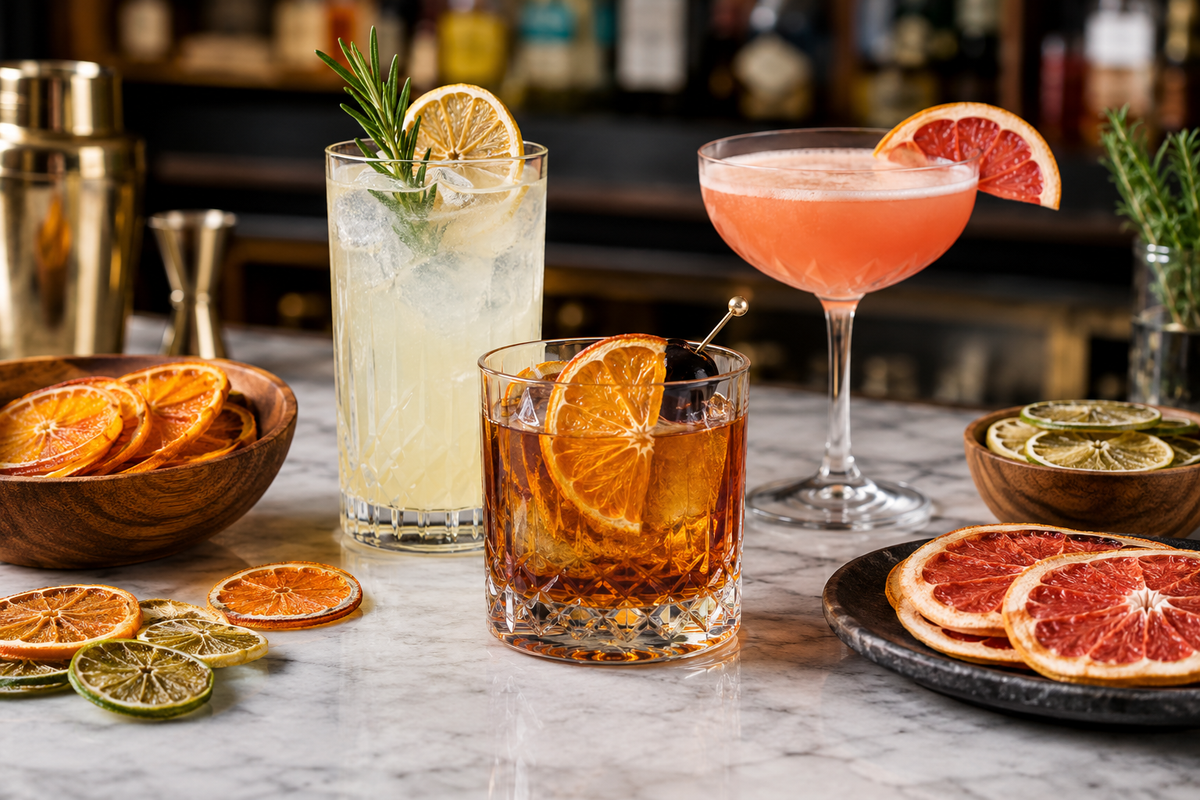
Orange wheels, lemon slices, lime slices, and grapefruit halves each create a different visual effect. The shape should make sense for the drink rather than being selected only because it is available.
The Fruit Should Be Properly Dehydrated
One of the biggest factors in how a dried citrus garnish performs is moisture.
A good dehydrated slice should be dry enough to hold its shape and texture but still have the natural characteristics of the fruit. An overly moist garnish can be difficult to store and may soften more quickly during service.
The aim is not to get rid of as much moisture as possible. The drying operation should result in a garnish which is easy to handle but which retains good color, aroma and structure.
This is especially important in a professional setting where garnishes may be prepared or opened before the busiest part of service.
Consistency Is Part of the Product
You can have a good-tasting garnish that is hard to use because all the pieces look different.
Consistency matters to bars because the garnish is part of the finished cocktail. One drink gets a big full slice, and the other a small uneven piece, and the presentation can look quite different.
Another benefit of consistent sizing is working faster. When the team knows what to expect from the garnish, there is less time spent sorting through pieces or deciding which slice looks appropriate for a specific drink.
This becomes even more useful when a cocktail appears repeatedly on a menu or when several bartenders are working the same shift.
The Right Shape Depends on the Cocktail
Not every dehydrated citrus format works for every drink.
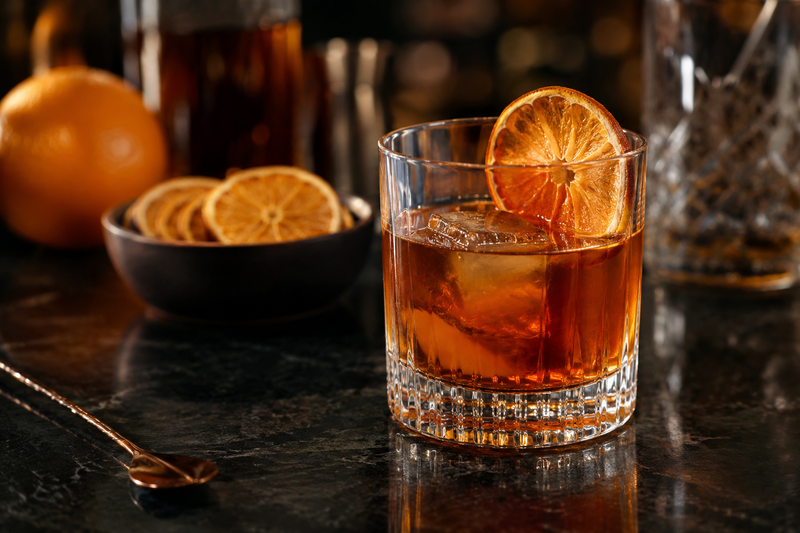
A full wheel can be nice in an Old Fashioned or other spirit-forward cocktail, but a half wheel might be better if you want the garnish to sit visibly on the rim or top of a larger glass.
Grapefruit, for example, is often associated with Palomas, spritzes, tequila and mezcal drinks, and sparkling cocktails. A Citrus House Wholesale Dehydrated Grapefruit Half can be useful when the goal is to make the citrus itself a noticeable part of the presentation without adding fresh juice to the drink.
The important point is to choose the garnish format based on the cocktail rather than treating every dried citrus piece as interchangeable.
Flavor Should Support the Drink
A garnish should add something to the cocktail, not just sit in the glass.
Orange is good with warm, rich or bitter flavors. Lemon brightens lighter, more acidic drinks. Lime works naturally with many rum and tequila cocktails, and grapefruit can provide a more bittersweet citrus note to a drink.
The strength of the flavor of the garnish also matters. A drink with delicate ingredients may call for a lighter presence of citrus, whereas a bold spirit-forward cocktail can often handle a more obvious garnish.
A bar-ready garnish should therefore be selected with both the visual presentation and the flavor profile of the drink in mind.
The Garnish Should Be Easy to Use During Service
A beautiful garnish is not especially useful if it creates another task during a busy shift.
Fresh citrus often requires washing, cutting, portioning, storing, and replacing throughout service. A prepared dehydrated garnish removes many of those steps because the fruit has already been sliced and dried.
That does not mean dehydrated citrus replaces fresh fruit everywhere. Fresh lemons and limes may still be essential for juice, wedges, twists, and expressed oils.
The advantage is more specific: when a cocktail needs a dry finishing garnish, having that garnish prepared in advance can make service simpler and more consistent.
Storage Is Part of Being Bar-Ready
Professional garnishes need to fit the way a bar actually stores and uses ingredients.
Fresh-cut citrus usually needs refrigerated storage and regular rotation. Dehydrated citrus can be much easier to keep on hand, but the product still needs to be protected from moisture and handled according to its storage instructions.
Packaging matters here. A garnish that can be opened in manageable quantities allows a bar to use what it needs while keeping the remainder protected.
This becomes especially useful for bars with multiple garnish varieties, rotating menus, or limited refrigeration space.
Ingredients and Processing Matter
Not every dehydrated citrus product is prepared the same way.
When choosing a garnish for professional use, it is worth checking the ingredient list and processing information. Some products may contain added sugar, preservatives, sulfur, colors, or other ingredients, while others rely on the fruit itself.
The choice depends on how the garnish will be used and what matters to the beverage program.
Appearance should also be evaluated alongside the ingredient list. A garnish may look attractive but still not be the right fit for a particular menu or service style.
A Bar-Ready Garnish Should Work Across the Menu
A practical garnish does not have to be limited to one cocktail.
Orange, lemon, lime, and grapefruit can each work across multiple drink categories, which makes them more useful to a bar than a garnish that only fits one signature cocktail.
For example:
Orange: Old Fashioneds, Negronis, whiskey cocktails, spritzes, and sangria.
Lemon: French 75s, Whiskey Sours, Tom Collins, vodka cocktails, and sparkling drinks.
Lime: Margaritas, Mojitos, Daiquiris, Gimlets, and tropical cocktails.
Grapefruit: Palomas, spritzes, tequila cocktails, mezcal drinks, and sparkling beverages.
Choosing garnishes that appear across several drinks can make inventory management easier and reduce the number of specialty items a bar needs to keep on hand.
What Bars Should Check Before Buying
Before choosing a dehydrated citrus garnish, look beyond the price.
Appearance
Are the slices or halves consistent enough for repeated service?
Texture
Is the fruit sufficiently dry to handle and store easily?
Size
Does the format work with the glassware and cocktails on your menu?
Ingredients
Does the product contain anything you do not want in your garnish?
Storage
Can your team store the product properly and protect it from moisture?
Shelf Life
Will the product remain useful for the amount of time you typically keep garnish inventory?
Versatility
Can the same citrus variety be used across several drinks?
A garnish that performs well across all of these areas is generally more useful than one chosen simply because it looks good online.
Bar-Ready Does Not Mean Fresh or Dehydrated
A professional bar does not necessarily need to choose between fresh and dehydrated citrus.
Fresh fruit remains important for juice, expressed oils, twists, wedges, and drinks where the fruit itself is part of the experience.
Dehydrated citrus is useful when the garnish is primarily there for presentation, consistency, convenience, and a concentrated citrus accent.
Many beverage programs can use both formats effectively. The goal is not to eliminate fresh citrus. It is to use the right format for the job.
The Best Dehydrated Citrus Garnish Is the One That Works in Service
A bar-ready garnish should do more than look good in a product photograph.
It should be consistent enough for repeated service, dry enough to handle and store properly, appropriately sized for the drink, compatible with the cocktail's flavor profile, and easy for bartenders to use when service gets busy.
When those factors come together, dehydrated citrus becomes more than a decorative finishing touch. It becomes a practical part of the cocktail program—one that supports presentation without creating unnecessary work behind the bar.