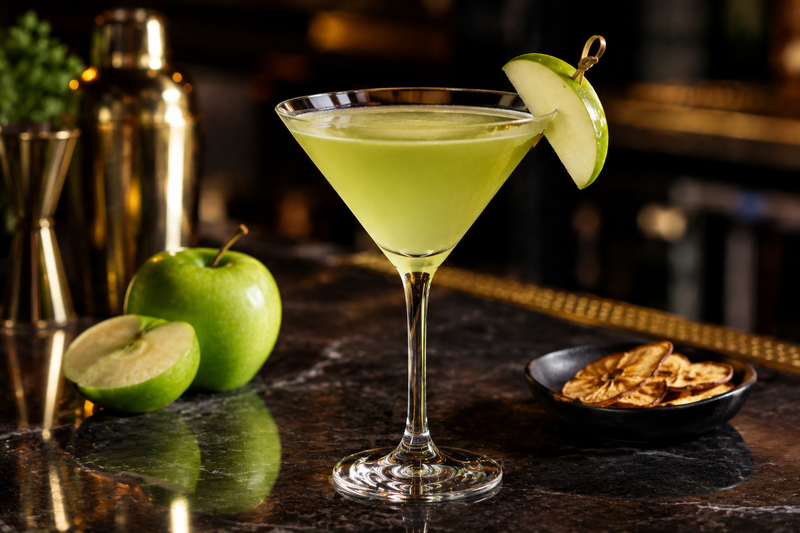

Cafes are always looking for ways to make their drinks more beautiful without adding any extra steps to the process of making it. From iced tea to specialty coffee, seasonal lattes, or sparkling beverages, a well-chosen garnish can make a drink look more considered and consistent.
Dehydrated fruit is a great choice for cafés looking for ready-to-use garnishes for hot and cold beverages. Citrus slices, apple, and pear are good with a wide range of drinks and are easier to keep around in dried form than fresh-cut fruit.
The trick is knowing what fruits will work with your menu and knowing how to use them and keep them ready for service.
How Cafés Can Use Dehydrated Fruit
Dehydrated fruit is useful beyond cocktails. Coffee shops and cafés can use it to finish drinks, distinguish seasonal menu items, and maintain a consistent presentation across different orders.
Common applications include:
-
Hot tea and iced tea
-
Specialty coffee and seasonal lattes
-
Cold brew and sparkling beverages
-
Lemonade and fruit-based refreshers
-
Non-alcoholic drinks
-
Seasonal menus and limited-time specials
The best choice depends on the drink itself. A dried lemon slice may suit iced tea, while apple can work well with autumn beverages featuring cinnamon or other warm spices.
1. Add a Finishing Touch to Hot and Iced Tea
Tea is one of the simplest uses for dried fruit garnishes.
A dried slice of lemon is a great complement to black tea, green tea, or herbal blends. Orange pairs well with spiced tea or warming winter blends, and apple with fruit teas and autumn-inspired drinks.
For iced tea, a dried slice of citrus is a clean visual garnish, saving staff from having to cut fresh fruit for each order.
When planning a café menu, consider these combinations:
-
Black tea: Lemon or orange
-
Herbal tea: Lemon or apple, depending on the blend
-
Spiced tea: Orange or apple
-
Iced tea: Lemon, lime, or orange
-
Seasonal fruit tea: Apple or pear
A dried garnish should complement the tea rather than overpower it. If stronger fruit flavor is needed, use an appropriate juice, syrup, or infusion and treat the dried fruit as a finishing element.
2. Use Fruit Garnishes With Specialty Coffee
Coffee toppings need a little more thought, as not all fruits pair well with roasted coffee flavors.
Instead of adding fruit to every coffee beverage, focus on those where the garnish is part of the flavor profile or seasonal theme.
For example, orange pairs well with chocolate-based coffee drinks, while apple works well with seasonal drinks that include cinnamon, caramel, or warm spices.
In coffee shops, dried fruit can also be used as a visual finishing touch for iced coffee and specialty cold drinks. The garnish does not need to be incorporated into the coffee itself; it can just be a recognizable detail in the presentation.
For an autumn menu, apple is particularly useful. Dehydrated apple slices can provide a ready-to-use garnish for apple-inspired beverages, seasonal tea service, and specialty café drinks. The product is supplied in individually sealed portions, which can help café teams manage stock during service.
3. Create Seasonal Drinks Without Rebuilding the Menu
Seasonal beverages give cafés an opportunity to introduce new flavors while keeping much of their existing menu in place.
Rather than developing an entirely new drink for every season, businesses can adapt familiar beverages with a different flavor combination and garnish.
Fall: Apple, cinnamon, caramel, and warming tea blends.
Winter: Orange, spiced tea, chocolate-based coffee drinks, and hot non-alcoholic beverages.
Spring: Lemon, floral teas, and lighter iced drinks.
Summer: Lime, lemon, iced tea, lemonade, and sparkling refreshers.
Dehydrated fruit can help distinguish these drinks visually without requiring a separate fresh-fruit preparation routine for every seasonal special.
The most practical approach is to choose garnishes that work across multiple menu items. That makes it easier to use existing inventory and reduces the need to stock fruit for only one drink.
4. Choose the Right Garnish for Each Beverage
Not every dried fruit works equally well with every drink. Consider the flavor, color, serving temperature, and glassware before choosing a garnish.
|
Beverage |
Garnish options |
Suitable application |
|
Iced tea |
Lemon or orange |
A simple, recognizable finish |
|
Spiced tea |
Apple or orange |
Seasonal presentation |
|
Chocolate coffee drinks |
Orange |
A contrasting visual detail |
|
Apple chai latte |
Apple |
Reinforces the seasonal theme |
|
Sparkling water |
Lemon, lime, or orange |
Light, colorful presentation |
|
Lemonade |
Lemon or lime |
Complements the drink's citrus profile |
These are starting points rather than fixed rules. The final choice should suit the recipe and the
5. Keep Preparation Simple During Busy Service
Garnishes should help service, not be another job to do in a rush.
Fresh fruit needs washing, cutting, storage, and replenishment. Staff can grab a serving of dehydrated fruit when a drink is ready because it’s made in advance.
This can be especially helpful for cafés that sell drinks throughout the day in busy morning periods, weekend brunches, and seasonal promotions.
A few simple practices can help:
-
Keep frequently used garnishes within easy reach of the beverage station.
-
Portion garnishes according to expected demand.
-
Keep unused stock sealed until needed.
-
Store dried fruit in a cool, dry place according to the supplier's instructions.
-
Review which garnishes are actually used before placing the next order.
The aim is to create a routine that works with the existing service setup rather than adding unnecessary complexity.
6. What to Consider When Buying Dehydrated Fruit for a Café
Before adding dried fruit to a beverage program, consider how it will be used and stored.
Appearance: Choose slices that suit the glassware and presentation style of your drinks.
Consistency: Similar-looking slices help maintain a uniform appearance across orders.
Packaging: Individually sealed portions can make stock easier to manage, particularly when a café uses several fruit varieties.
Storage: Check the product's shelf life and storage instructions before buying in larger quantities.
Menu versatility: Prioritize fruits that can be used across several drinks instead of stocking varieties for a single seasonal special.
If you run a café and you know you sell a consistent volume of drinks, then buying in bulk might make sense if the amount you expect to use warrants the quantity. You start with fruits that match the current menu, take note of consumption, and grow the selection as new drinks are added.
Make Dehydrated Fruit Work for Your Café Menu
Dehydrated fruit can be used in a café in many ways, from garnishing a glass of iced tea to adding a visual element to a specialty coffee or a seasonal beverage.
To do this well, choose garnishes that go well with the drinks you already have on your menu, use them consistently, and keep your inventory aligned with actual demand.
Start with a few versatile options, test how they work with your beverages, and use customer response and product usage to guide future menu decisions. This allows your café to introduce more considered drink presentations without making daily preparation unnecessarily complicated.