
What you need to know
Precision, not approximation: A 12-month shelf life is only achievable when the drying process removes moisture to a specific level — not roughly, but precisely.
Low and slow preserves what matters: Low-temperature slow drying keeps color, aroma, and structure intact while removing the moisture that causes spoilage.
Water activity is the number that counts: Not moisture content alone — water activity is the technical measure that actually determines long-term shelf stability.
The pouch matters as much as the product: A moisture-barrier resealable pouch keeps post-opening quality high for months after the first use.
Always ready, zero waste: A 12-month shelf life means no planning pressure, no spoilage, and a garnish in the cabinet whenever you need it.
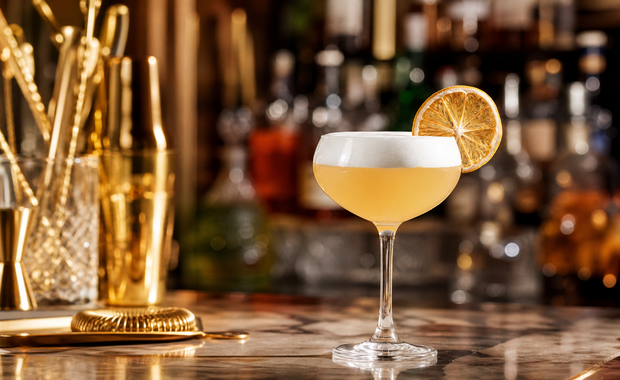
A 12-month shelf life is a claim that sounds straightforward until you ask how it works. Most fresh produce lasts days. Dried herbs last months. Dehydrated citrus garnishes from Citrus House last over a year, without refrigeration, without preservatives, and without any meaningful change in appearance, aroma, or texture.
How that is possible — and what it actually requires — is more interesting than it might seem.
The Science: Why Food Spoils
Food spoils through two primary mechanisms: microbial activity (bacteria, mold, yeast) and enzymatic activity (the chemical reactions that cause browning, softening, and flavor degradation). Both require water to proceed.
Fresh citrus has a high water content — typically 85 to 90% by weight. That moisture is exactly what makes it delicious and exactly what makes it perishable. Remove the water, and you remove the conditions that allow spoilage to occur.
This is not a new discovery. Drying food as a preservation method is thousands of years old. What has changed is the precision with which it can be done—and the difference between drying precisely and drying approximately is the difference between a 12-month shelf life and a product that goes stale in weeks.
Water Activity — The Number That Actually Matters
This is why the first thing most people do when they open a Citrus House pouch is hold it up and smell it. The aroma is unexpected. It is the preserved aroma of peak-ripeness citrus, locked in by a process that prioritizes quality over speed.
The Packaging: The Last Line of Defense
A perfectly dehydrated garnish placed in the wrong packaging will not have a 12-month shelf life. Moisture in the surrounding atmosphere will slowly re-enter the product, raising water activity back toward the spoilage threshold.
Citrus House pouches are made from a moisture-barrier material that prevents atmospheric moisture from reaching the product. The resealable closure means that after opening, the remaining slices continue to be protected between uses. A pouch opened on day one and resealed correctly will still contain garnishes that look and smell correct months later.
What This Means in Practice
For a home entertainer, a 12-month shelf life means a pouch of dehydrated citrus in the cabinet is always there when you need it. You do not plan a garnish shop before evThe technical measure that determines long-term shelf stability in dehydrated food is not moisture content — it is water activity, measured on a scale from 0 to 1. Pure water has a water activity of 1.0. Bone-dry material has a water activity of 0. The threshold below which microbial growth cannot proceed is generally 0.60.
Citrus House dehydrated garnishes are dried to a water activity level that prevents microbial growth while retaining the structural integrity and aromatic quality of the slice. Driving water activity too low produces a product that is brittle, fragile, and loses its color. Leaving it too high produces a product that will mold or deteriorate within weeks.
The target is narrow. Hitting it consistently requires controlled drying conditions, not just time in a dehydrator.
|
A 12-month shelf life is not an approximation. It is the result of hitting a precise water activity target, consistently, across every batch. |
Why Low Temperature Matters
High-temperature drying achieves the required water activity faster. It also destroys the characteristics that make a garnish worth using.
The essential oils in citrus rinds—the compounds responsible for the aroma and the progressive flavor release in the glass—begin to volatilize at elevated temperatures. They evaporate rather than concentrating. A citrus garnish dried at high temperature smells of very little when you open the pouch. It looks brown at the edges. The color has shifted from vivid to dull.
Low-temperature slow drying removes moisture without driving off the volatile aromatics. The result is a garnish that still smells like fresh citrus when you open the pouch—because the essential oils that give fresh citrus its aroma have been concentrated rather than cooked or gathered. You do not worry about buying too many and wasting half. You open the cabinet on the night you need it and the garnish is there.
For a bar, it means no spoilage cost, no daily garnish prep, and consistent quality across every service because every slice from the same batch is identical to every other.
The 12-month shelf life is not a marketing claim. It is the outcome of a specific process, applied consistently, to fruit selected at the right ripeness. Every decision in the production chain exists to deliver that outcome.
|
Shop Citrus House dehydrated and dried citrus garnishes—12+ month shelf life, zero prep, no refrigeration required. From $16 per pouch. citrushousecraft.com |