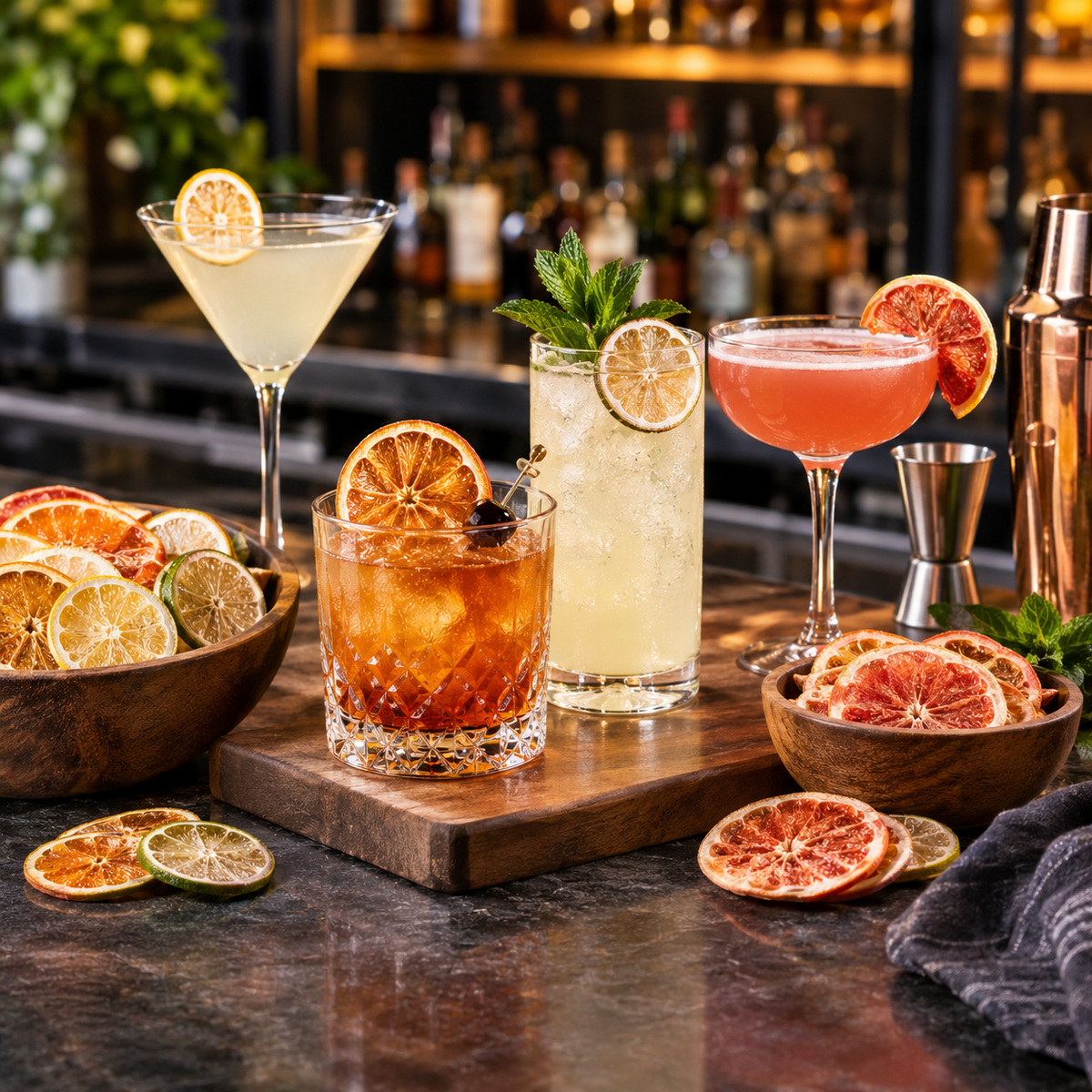
The correct garnish can give a cocktail the appearance of being complete, well presented, and ready to be served. Yet for a busy bar, there is also a practical side to garnish preparation. Fresh citrus has to be cut, kept, chilled, and frequently replaced, and any fruit that is not used can soon become waste.
One reason why dehydrated citrus has become a useful choice for bars, restaurants, hotels, and other beverage programs is that it is ready to use, easy to store, and enables cocktails to have a consistent finishing touch without requiring the same daily preparation as fresh fruit.
It's easy, when you're first placing a large order for dehydrated citrus, to order too much.
The best method is to begin by selecting the citrus varieties that suit your menu, estimate how much your team will use, and then pick packaging that matches your service routine.
Start With Your Cocktail Menu
The best first order is usually determined by your drinks, not by how many citrus varieties a supplier offers.
Look at your current cocktail menu and ask:
-
Which drinks regularly need a citrus garnish?
-
Which citrus flavors appear most often?
-
Do you serve mostly classic cocktails, spirit-forward drinks, or a broad mix?
-
Are garnishes used on mocktails and non-alcoholic drinks too?
A bar with several whiskey and bourbon cocktails may use a different mix of garnishes than a tequila-focused bar serving Margaritas and Palomas.
The goal is to choose dehydrated citrus that can be used across multiple drinks, rather than buying large quantities of varieties that rarely leave the shelf.
Which Dehydrated Citrus Should Bars Order First?
There is no single combination that works for every beverage program, but a few varieties tend to be especially practical because they can fit into a wide range of drinks.
Orange
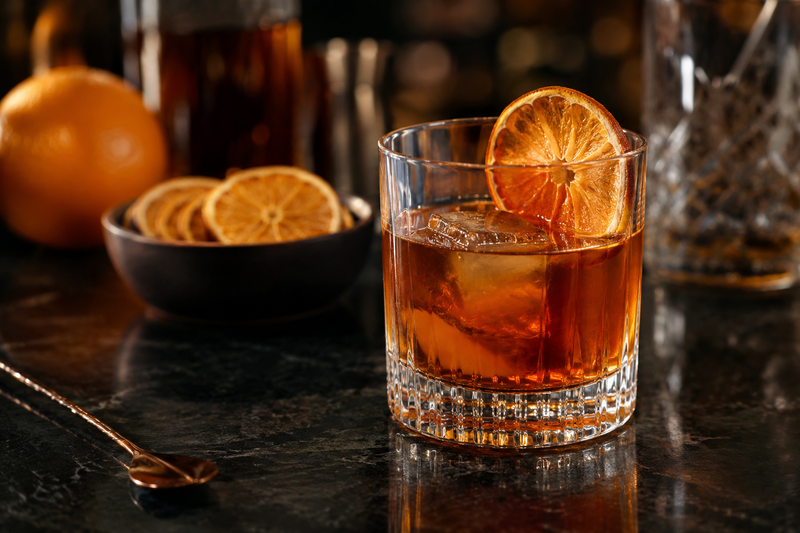
Dehydrated orange is a versatile choice for bars serving classic and spirit-forward cocktails.
It can complement drinks such as
-
Old Fashioneds
-
Negronis
-
Whiskey cocktails
-
Bourbon drinks
-
Spritzes
-
Sangria
Orange also works well when presentation is just as important as flavor. A visible dried orange slice can add color and structure without requiring the bartender to prepare a fresh garnish during service.
Lemon
Lemon is another useful option for a broad cocktail menu.
It can work with drinks such as French 75s, Lemon Drops, Tom Collins, Whiskey Sours, gin cocktails, vodka drinks, mocktails, and sparkling beverages.
If your bar serves several different drink styles, lemon can be a practical part of the first order because it is not limited to one specific category of cocktail.
Lime
For bars with a strong tequila, rum, or tropical cocktail menu, lime is often worth prioritizing.
Think about Margaritas, Mojitos, Daiquiris, Gimlets, and other drinks where lime is already part of the flavor profile.
Lime can also be useful for mocktails and sparkling beverages, making it more versatile than a single cocktail application might suggest.
Grapefruit
Grapefruit is a more menu-dependent choice.
It can be a strong fit for Palomas, spritzes, tequila cocktails, and other drinks where grapefruit complements the overall flavor profile.
For a first purchase, it may make more sense to include grapefruit as part of a broader assortment rather than making it the largest part of your inventory.
When a Mixed Citrus Assortment Makes Sense
If your bar serves a wide range of cocktails, buying several citrus varieties separately is not always the most practical way to start.
A mixed assortment can give your team access to multiple garnish options while making the first order easier to manage.
For example, mixed dehydrated citrus for bars can include several varieties in one wholesale assortment, giving a beverage program more flexibility when different cocktails call for different garnishes.
This can be particularly useful for:
-
Full-service cocktail bars
-
Restaurants with large beverage menus
-
Hotels
-
Caterers
-
Event venues
-
Beverage programs serving seasonal or rotating cocktails
The advantage is not simply variety. It also gives you a chance to see which citrus garnishes your team actually uses most before committing future orders to individual varieties.
How Much Dehydrated Citrus Should a Bar Buy?
There is no universal answer because usage can vary significantly from one bar to another.
Your first order should take into account:
Cocktail volume: A high-volume bar will obviously go through garnishes faster than a small restaurant bar.
Menu size: A larger cocktail menu may require several garnish options.
Service frequency: A venue serving drinks seven days a week will have different needs from a business that mainly serves cocktails on weekends.
Garnish style: Some bars use one citrus slice per cocktail, while others use garnishes more selectively.
A smart approach is to begin with a manageable quantity and track actual usage.
After a few weeks, you should have a much better idea of which garnishes move quickly, which ones remain in inventory, and what your ideal reorder quantities look like.
What to Look For When Buying Wholesale Dehydrated Citrus
Price matters, but it should not be the only factor when choosing a wholesale supplier.
Consistent presentation
When a dried citrus garnish is part of the final drink, appearance matters. Consistent slices can help maintain a polished presentation across cocktails.
Practical packaging
The packaging should work with your service routine. Products that are individually portioned or sealed can make it easier to open only what the team needs and keep the remaining product stored until it is required.
Storage requirements
An advantage of dehydrated citrus is that it is considerably easier to store than fresh fruit; for instance, Citrus House's wholesale mixed citrus is sold in individually sealed portions, has a stated shelf life of 12 months or more when sealed, and does not need to be kept in the refrigerator. This kind of packaging can be helpful for bars that want a variety of garnishes without having to increase the amount of refrigerated preparation in their workflow.
Ingredient information
Bars may also want to check how the citrus is prepared and what ingredients are used. Product specifications can vary between suppliers, so it is worth reviewing the ingredient and processing information before placing a larger order.
Reordering
Your supplier should make it straightforward to reorder once you know which garnishes your bar uses most. A simple ordering process becomes especially valuable for busy hospitality businesses.
Bulk Citrus vs. Retail-Ready Citrus
Not every business buying dehydrated citrus is buying it for use behind the bar.
A restaurant, hotel, or cocktail bar typically needs bulk packaging designed for beverage service and inventory management.
A liquor store, gift shop, gourmet market, or specialty retailer has a different goal: the product needs to be packaged and presented for the end customer.
That distinction matters when choosing a wholesale format.
For example, a retail mixed citrus pouch case is designed for businesses that want shelf-ready individual pouches rather than bulk garnish packaging. Each case contains 12 retail pouches featuring a mix of orange, lemon, lime, blood orange, and grapefruit, making the format more suitable for merchandising, gifting, and specialty retail displays.
Understanding the difference between bulk cocktail garnishes and retail-ready dehydrated citrus can help businesses choose the right product format for how they actually plan to sell or use the product.
A Simple Way to Plan Your First Order
Before placing a wholesale order, take five minutes to review your current menu.
Identify:
-
The cocktails that use citrus garnishes most often.
-
The citrus varieties that appear across multiple drinks.
-
The approximate number of garnishes your team uses during a typical week.
-
Which products need to be immediately available during service.
-
Whether you need bulk garnish packaging or retail-ready packaging.
From there, your first order becomes much easier to plan.
You are not trying to predict every future drink. You are simply building an initial inventory around the products your business is most likely to use.
The Best First Order Is the One That Fits Your Menu
There is no universal answer to what every bar should buy first.
A whiskey-focused program may lean more heavily toward orange. A tequila-driven menu may make lime and grapefruit more important. A full-service bar with a broad cocktail menu may benefit from a mixed assortment that gives bartenders more flexibility.
The key is to order based on actual menu demand and service needs, rather than buying every available variety at once.
Start with versatile garnishes, monitor what gets used, and let that information guide future wholesale orders. That approach can help you maintain a better garnish selection without creating unnecessary inventory or waste.
For a bar building its first dehydrated citrus inventory, the goal is simple: choose products that make service easier, complement the drinks already on the menu, and give your team a reliable garnish option when the cocktail reaches the guest.