
What You Need to Know
- Dried citrus can be used as a garnish, for infusions, as a decorative element or as part of a plated dish.
- Different fruits are better for different applications. Lemon is good for use in teas and sparkling beverages, and orange and grapefruit can provide additional color and bitterness to desserts and food displays.
- Dried fruit should be an addition to the food or drink, not the main event. Usually a little is enough.
- Texture is important. Some applications need a crisp slice, while others are better when the fruit is softened or infused first.
- Citrus is just the start. The same method will work for other dried fruits, including pear and apple.
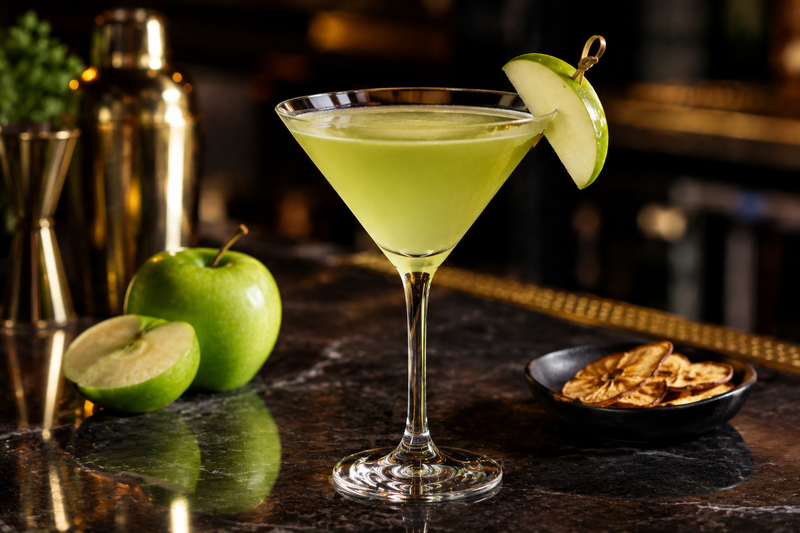
We often think of dehydrated citrus as a cocktail garnish, but it’s good for a lot more than just drinks. Dried orange, lemon, lime, grapefruit and other fruit slices can add color, fragrance and concentrated fruit flavor to tea, desserts, cheese boards, charcuterie, sparkling beverages and food displays.
The fruit has been dried so it is easier to store and use than fresh slices when you need a finishing detail without adding extra liquid. Which makes dehydrated fruit useful in everyday serving as well as occasions where presentation counts.
Dehydrated Citrus in Tea
One of the easiest ways to use dehydrated citrus outside of cocktails is tea.
A dried slice of lemon can be put right in a cup of black tea, green tea, herbal tea or iced tea to impart a hint of citrus smell while the drink is steeping. Orange is a great addition to black tea and chai, while grapefruit can add a more bitter and aromatic character.
If you are serving tea to a group, you can use dehydrated citrus. Instead of slicing fresh fruit and adding it just before serving, put a few dried slices out where guests can add them at will next to the tea station.
For iced tea, a dehydrated lemon or orange slice can work both as a garnish and as a visual finishing detail. Because the fruit does not release the same amount of juice as a fresh slice, it is less likely to quickly change the balance of the drink.
Desserts and Baking
Dried citrus works particularly well in desserts that already contain fruit, chocolate, vanilla, or warm spices.
A dried slice of orange can be added to cakes, cheesecakes, tarts, cupcakes, and chocolate desserts. Lemon pairs well with pound cake, shortbread, meringue, cheesecake, and lemon-forward pastries.
The slices can also be cut into smaller pieces and used as a decorative element on plated desserts. In some cases it takes a little dried citrus to provide aroma and visual contrast without adding a sauce or other ingredient.
There is also a difference between using dehydrated citrus as part of a recipe and using it as a finish. When the goal is presentation, it is usually better to add the fruit near the end so the slice retains its shape and texture.
Charcuterie and Cheese Boards
Dehydrated citrus can bring color and a subtle fruit note to charcuterie and cheese boards without taking up much space.
Orange naturally complements aged cheeses, nuts, cured meats, and other savory ingredients. Lemon gives a brighter contrast on lighter boards, while grapefruit can be used for a more pronounced bitter or tart note.
The slices can be placed between cheeses and cured meats, alongside nuts and crackers, or used to add height and color to a larger grazing display.
Other dehydrated fruits can be just as useful here. Dried pear, for example, works well with cheese because its softer fruit character pairs naturally with creamy, aged, and nutty flavors. Citrus House Wholesale Dehydrated Pear Slices are one option for adding dried pear to cheese displays, charcuterie boards, desserts, and other food presentations.
Sparkling Water and Non-Alcoholic Drinks
You don’t need a cocktail to make good use of dried citrus.
A lemon, lime, orange or grapefruit wedge adds a finished look to sparkling water, lemonade, iced tea, soda water and non-alcoholic drinks. The garnish helps to add more visual interest to the glass and also helps to reinforce the flavor profile of the drink.
This is particularly helpful when preparing a series of drinks that need to look uniform. Each glass is garnished with a dried citrus slice for a nice clean look without having to cut fresh fruit separately.
Infused Drinks and Warm Beverages
You can also infuse dehydrated citrus rather than just floating it on top of a drink.
Add to hot tea, mulled drinks, cider, and other hot drinks. Let the fruit release its fragrance slowly. You can also combine dried fruits with spices like cinnamon, cloves, cardamom, or ginger to create seasonal beverage blends.
The key is to give the fruit enough time to add flavor without allowing it to be the only thing you taste. Sometimes a little will do.
Food Styling and Special Events
Dried citrus is useful where food needs a complete presentation.
The dehydrated slices can be used by photographers, bakers, caterers, restaurants and event hosts around cakes, dessert tables, beverage stations, grazing displays and plated food. The dried fruit provides color and shape and takes up hardly any room.
For large displays, many types of fruit can be used to provide contrast without the need for using large quantities of fresh produce. Oranges, lemons, limes and grapefruits each contribute a different color and shape to the arrangement.
Because it is already prepared, you can have the dehydrated fruit on hand until the final presentation is ready.
How to Choose the Right Fruit
The best dehydrated fruit depends on what you are serving.
For tea: Lemon and orange are reliable starting points.
For desserts: Orange and lemon work well with chocolate, vanilla, cream, and baked goods.
For charcuterie: Orange, lemon, pear, and apple can work alongside cheese, nuts, and cured meats.
For sparkling drinks: Lemon, lime, and grapefruit provide a bright visual finish.
For seasonal displays: Orange, blood orange, pear, apple, and other fruit can add warmer colors and a more autumnal feel.
The goal is not to use dried fruit simply because it looks attractive. The flavor should make sense with the food or drink.
Tips for Using Dehydrated Fruit
Store the fruit in a dry area until you are ready to use. Moisture can cause the slices to lose their texture and become soft.
Match the garnish size to the application. A big one is good on a cocktail or dessert plate, but smaller pieces might be better for a cheese board or in tea.
Think about looks, but also flavor. A bitter slice of grapefruit will make a different impression than a sweet slice of apple or pear.
For drinks, add the garnish near the end. This keeps the presentation clean and prevents unnecessary softening before service.
For food displays, place the dried fruit where it is easy to see and easy to move if the presentation needs to be adjusted.
Dehydrated Citrus Is Not Just a Cocktail Garnish
Dehydrated citrus may get most of its attention in cocktails, but the same dried fruit has plenty of uses beyond the bar.
Dehydrated fruit can be used in tea, desserts, charcuterie, cheese boards, sparkling drinks, warm beverages, food styling, and event displays without making the ingredient seem out of place.
The best applications are often the simplest: pick a fruit that complements the flavor of the dish, use enough to make an impression, and let the food or drink remain the star.