What You Need to Know
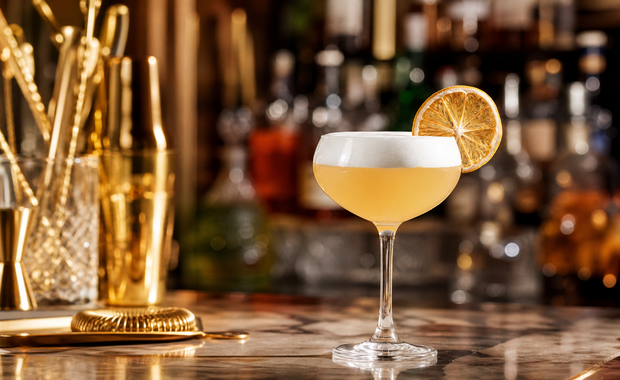
Premium garnishes justify premium pricing: a dehydrated citrus wheel gives guests visual permission to accept a higher price point—the drink looks worth it before they taste it.
The cost-to-perception ratio is unmatched: Each garnish costs a fraction of a dollar per drink while supporting higher menu prices across your entire cocktail program.
Photogenic drinks are free marketing: Dehydrated citrus wheels trigger phone cameras before straws — every guest photo tags your location and reaches an audience you can't buy with paid ads.
Zero prep, zero spoilage, real labor savings: Fresh citrus prep can cost a bartender 90+ hours a year. Dehydrated garnishes sit in a sealed pouch at room temperature, ready to use with no cutting and no waste.
Visibility drives orders: Display your garnish collection where guests can see it—curiosity becomes conversation, and conversation becomes upsells.
1. Justify Premium Pricing
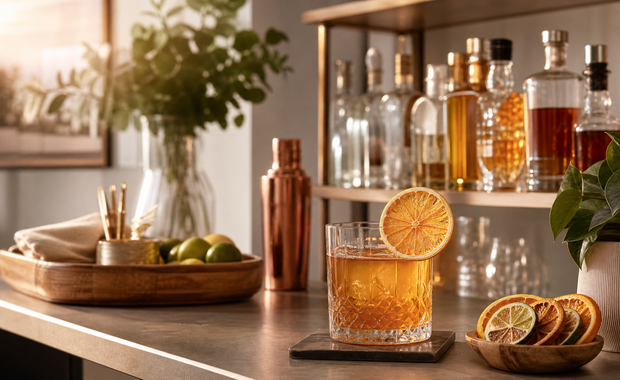
A cocktail with a dehydrated blood orange wheel draped over the rim looks like a $18 drink, not a $12 one. Guests make instant value judgments based on presentation, and a premium garnish gives them visual permission to accept a higher price point. Bars that have switched from fresh-cut fruit to dehydrated citrus wheels report that guests rarely push back on pricing — because the drink looks worth every dollar.
The math works in your favor too. A single Citrus House garnish costs a fraction of a dollar per drink. That is a tiny input cost for a significant perception upgrade that supports higher menu prices across your entire cocktail program.
2. Create Instagram-Worthy Moments
Social media is free marketing, and nothing triggers a photo faster than a beautiful cocktail. Dehydrated citrus wheels are inherently photogenic — the translucent colors, the perfect circular shape, and the artisanal look make guests reach for their phones before they reach for the straw.
Every photo shared is a free advertisement for your bar. It tags your location, shows your drinks in their best light, and reaches an audience you could not buy with traditional advertising. The garnish is the catalyst for that entire chain of free exposure.
3. Reduce Waste and Prep Time
Fresh citrus garnishes require daily prep, generate peel waste, and spoil within hours under bar conditions. Dehydrated garnishes eliminate all of that. They sit in a sealed pouch at room temperature, ready to use whenever you need them, with zero prep and zero spoilage.
The labor savings alone add up quickly. A bartender spending 15 minutes cutting citrus before every shift is spending over 90 hours a year on garnish prep. Redirect that time to guest interaction, menu development, or literally anything else that drives revenue.
4. Enable Signature Cocktail Upgrades
Offer a "premium upgrade" option on your menu — a signature garnish, a premium spirit, or a craft presentation. When a guest sees a beautifully garnished cocktail at the next table, they will opt for the upgrade. This upsell strategy works because the value is immediately visible.
Some bars have introduced tiered cocktail menus where the premium tier features craft garnishes and elevated presentation. The price difference between tiers is almost entirely margin, because the cost difference in garnishes is negligible.
5. Build a Garnish Station That Sells Itself
Display your dehydrated citrus collection where guests can see it — behind the bar, on a shelf, or in a glass jar near the cocktail menu. The visual appeal of neatly arranged dried citrus wheels creates curiosity and conversation. Guests ask about them, bartenders explain them, and suddenly every cocktail order includes a request for "one of those citrus things on the rim."
Visibility drives demand. When guests can see the garnish options, they are far more likely to order drinks that feature them. It is the simplest merchandising strategy in the business.